Experience the Ultimate Walleye Adventure
Welcome to walleyes.com, your premier destination for everything walleye fishing. Dive into a world where passion meets the thrill of the catch.
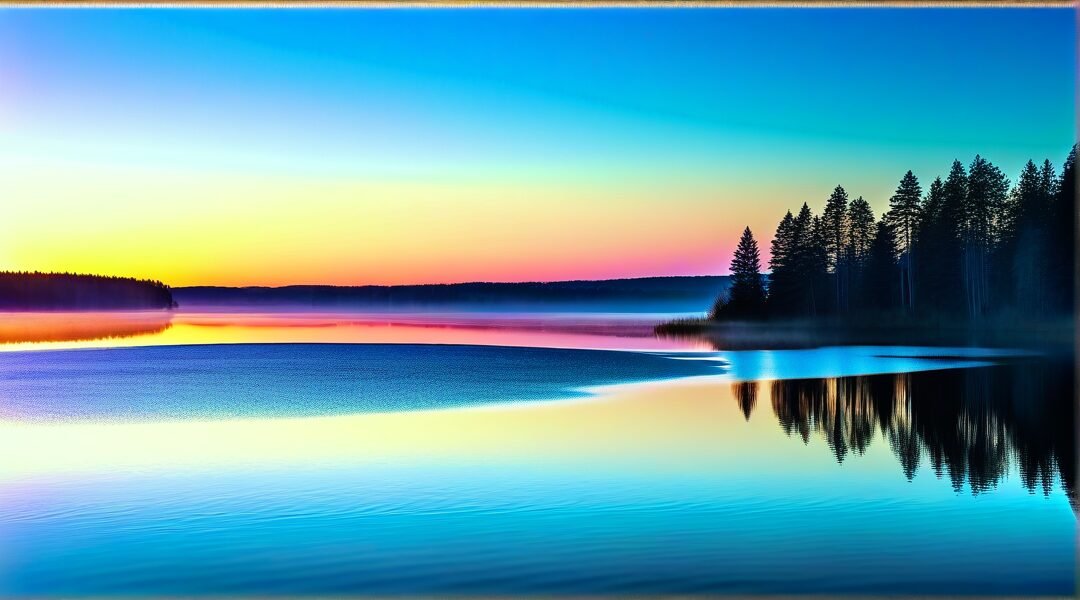
Our Passion for Walleye Fishing
At walleyes.com, our love for walleye fishing runs deep. We are dedicated to providing enthusiasts with the best resources, tips, and community support to enhance their fishing experience. Our mission is to be the ultimate hub for those who share our passion for this exhilarating sport.
Join Our Vibrant Community
Connect with fellow walleye fishing enthusiasts on walleyes.com. Share your stories, exchange tips, and celebrate the joy of fishing together. Our community is built on shared experiences and a mutual love for the sport, making it the perfect place to grow your passion.
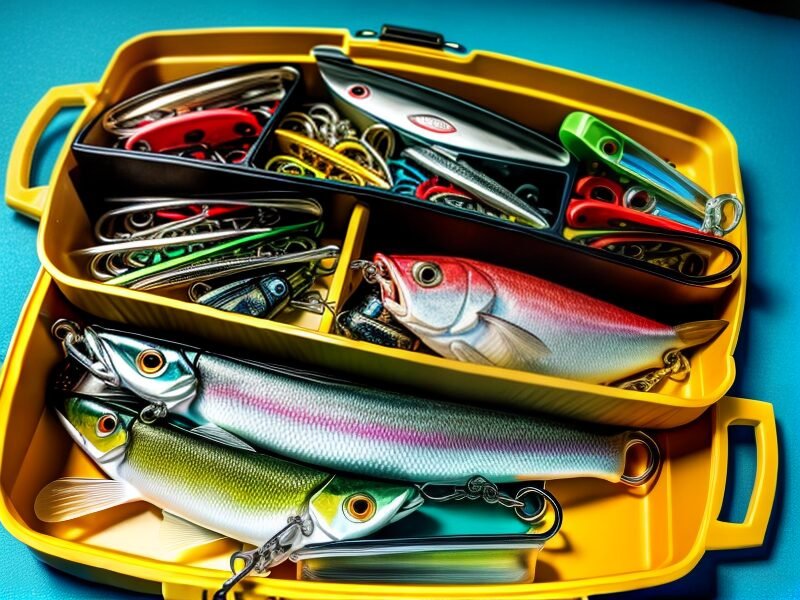
Feel the Excitement
The Thrill of the Catch
There’s nothing quite like the adrenaline rush of reeling in a walleye. Each catch tells a story, a testament to the patience and skill of the angler. At walleyes.com, we celebrate these moments, sharing tales of triumph and the joy of the chase. Whether you’re a seasoned pro or a newcomer to the sport, the thrill of walleye fishing is a universal experience that binds us all.
Imagine the anticipation as you cast your line into the shimmering waters, the sun rising over the horizon. It’s a moment of pure connection with nature, where time seems to stand still. Every tug on the line is a promise of adventure, a chance to create memories that last a lifetime. Join us as we dive into the exhilarating world of walleye fishing.
From the first bite to the final reel, the journey of catching a walleye is filled with excitement and unpredictability. It’s about more than just the fish; it’s about the stories we share and the bonds we form along the way. At walleyes.com, we invite you to be part of a community that lives for the thrill of the catch.
What Our Community Says
“Walleyes.com has transformed my fishing experience. The tips and community support have been invaluable in helping me catch more fish and enjoy every trip to the fullest.”

John Fisher
Experienced Angler
“Joining walleyes.com was the best decision I made for my fishing hobby. The camaraderie and shared knowledge have made every outing more rewarding.”

Emily Waters
Fishing Enthusiast
“Thanks to walleyes.com, I’ve connected with fellow anglers who share my passion for walleye fishing. It’s a community that truly understands the joy of the sport.”

Mike Rivers
Community Member
“The resources and events organized by walleyes.com have significantly improved my fishing skills. It’s a fantastic platform for anyone who loves walleye fishing.”
Sarah Lake
Outdoor Adventurer
Upcoming Walleye Fishing Events
Spring Walleye Tournament
April 15, 2024
FREE
Walleye Fishing Workshop
May 10, 2024
FREE
Summer Fishing Festival
June 20, 2024

FREE
Walleye Catch Challenge
July 5, 2024
FREE
Join Our Walleye Community
Become a part of the vibrant walleyes.com community! Subscribe for the latest updates, share your fishing stories, and connect with fellow walleye enthusiasts. Dive into discussions and enhance your fishing experience with us.